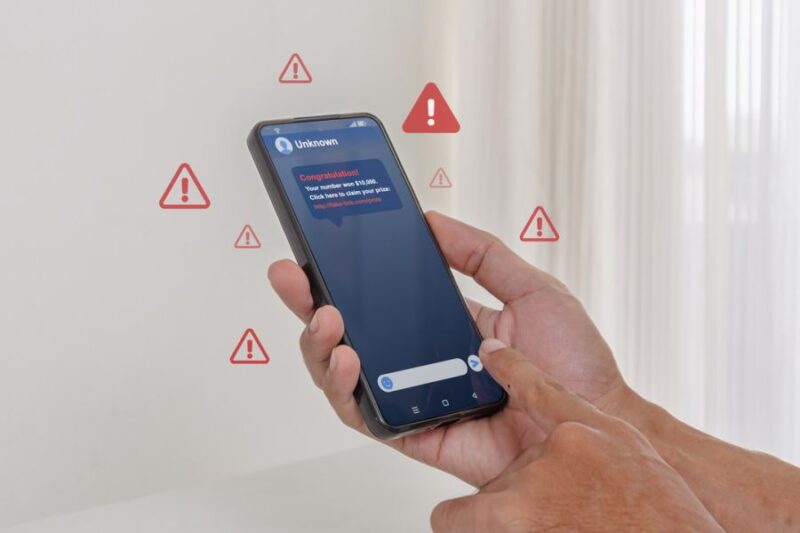
Email filters successfully intercept millions of suspect messages every single day. Unfortunately, modern threat actors have learned how to bypass standard gateway controls by using highly targeted, highly customized social engineering attacks. One of their favorite strategies is spear phishing.
The emergence of this particular attack vector has forced defenders to find ways to stop hyper-targeted lure campaigns, but doing so requires more than passive email scanning. Teams must leverage real-time intelligence gathering and automated incident response powered by SOAR integration.
The Basics of Spear Phishing
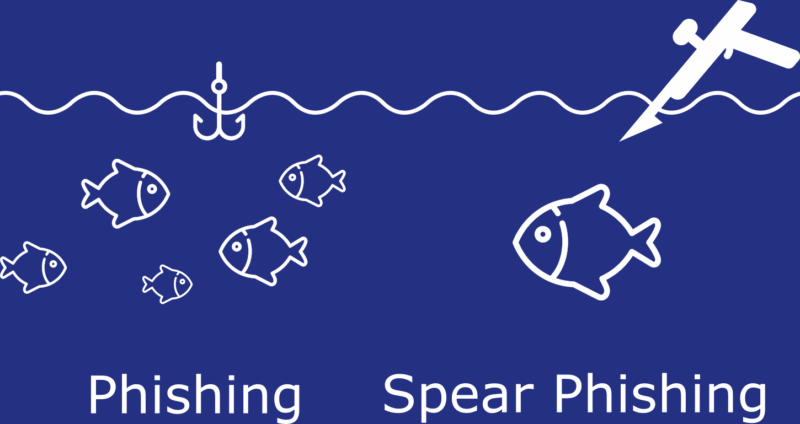
Phishing, in a generic sense, is a strategy of sending messages to thousands of random email addresses in hopes that at least some recipients will bite. Spear phishing is a lot more surgical in nature. According to DarkOwl, messages are tailored to specific individuals, teams, or organizations. They are sent to designated email addresses only.
The goal is still the same: to get recipients to voluntarily share sensitive information after believing they are dealing with a legitimate corporate message. Spear phishing is a means of stealing credentials and other sensitive data.
SOAR Integration Neutralizes Spear Phishing
Time is the most critical variable when a suspicious spear phishing email reaches an inbox. DarkOwl explains that SOAR platforms eliminate manual triage bottlenecks by connecting email gateways, endpoint agents, and threat intelligence feeds into a unified workflow. It all adds up to combating spear phishing across three core phases:
1. Ingestion and Parsing
When an employee flags a suspicious message, a SOAR platform can instantly ingest the message’s header, body text, embedded URLs, and any attached files. An analyst doesn’t have to manually review code. Instead, the platform parses all the technical indicators in just milliseconds.
2. Contextual Enrichment
Determining whether an email lure is part of a broader campaign requires looking beyond internal logs. SOAR playbooks initiate numerous automated OSINT investigations:
- Domain & Infrastructure Checks – A platform will query WHOIS records, SSL certificate histories, DNS records, and anything else that will help identify risks.
- Dark Web Intelligence Correlation – A platform will cross-reference sender details and embedded payload links against known threats found in dark web databases.
- Credential Exposure Analysis – A platform will compare discovered data against past breaches to indicate how recent a threat is. The more recent the threat, the greater the risk.
OSINT data is critical for contextual enrichment. Its main advantage over proprietary data is its tendency to be more up to date.
3. Automated Containment
When the SOAR workflow determines a message is indeed malicious, automated orchestration steps in to execute mitigation immediately. Mitigation strategies include network-wide isolation, defensive blocking, and mandatory password resets. If necessary, active session tokens are immediately revoked.
Preventative Capabilities for SOCs

Spear phishing campaigns are designed to deceive victims by working around their natural instincts. So, relying exclusively on manual analyst investigations allows malicious links to linger in user inboxes for long periods of time. That is dangerous.
Preventing the incredible damage a spear phishing campaign can cause requires injecting specialized threat intelligence data into a broader SOAR integration strategy. A solid SOAR platform equips SOC teams with the deep contextual insight they need to execute automated OSINT investigations. The result is the ability to turn raw data into instant orchestration triggers.
This is how organizations stop sophisticated spear phishing campaigns before compromise occurs. The need to do so is evident. Threat actors continue relying on spear phishing lures because the strategy is highly successful. Security teams need to directly combat them by staying ahead of what they are doing. It is possible when teams combine SOAR integration with OSINT investigations.