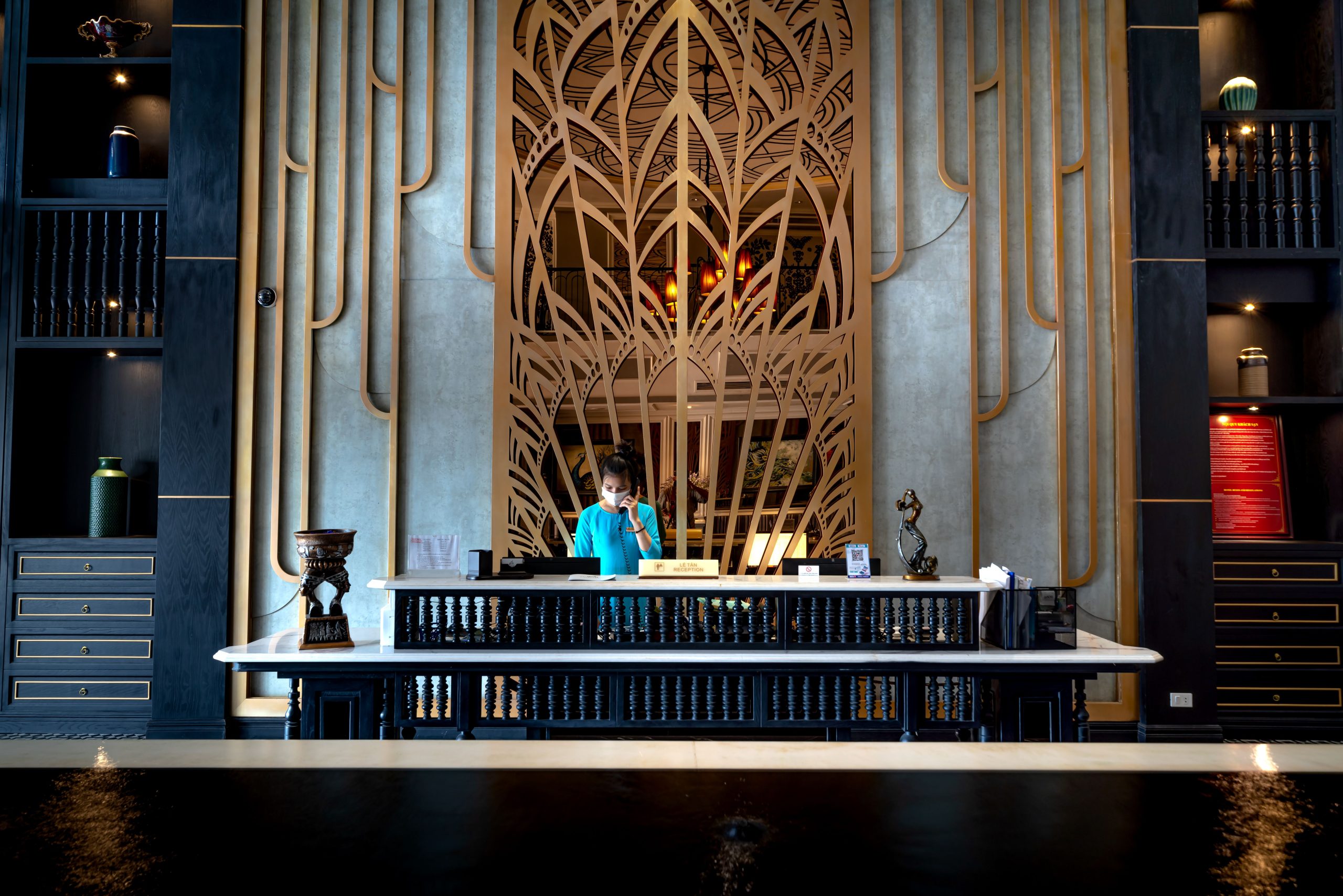
For a high-profile guest, luxury begins before the suite door opens. The real product is not a taller vase of flowers or a more expensive marble bathroom. It is the confidence that a hotel can absorb complexity without making that complexity visible.
That is why five-star properties treat celebrity, political, and high-net-worth stays as carefully coordinated operations. The guest may see a calm lobby and a perfectly prepared room; behind the scenes, front office, housekeeping, concierge, security, transport, and public-relations teams are working from the same brief.
Privacy is the first amenity
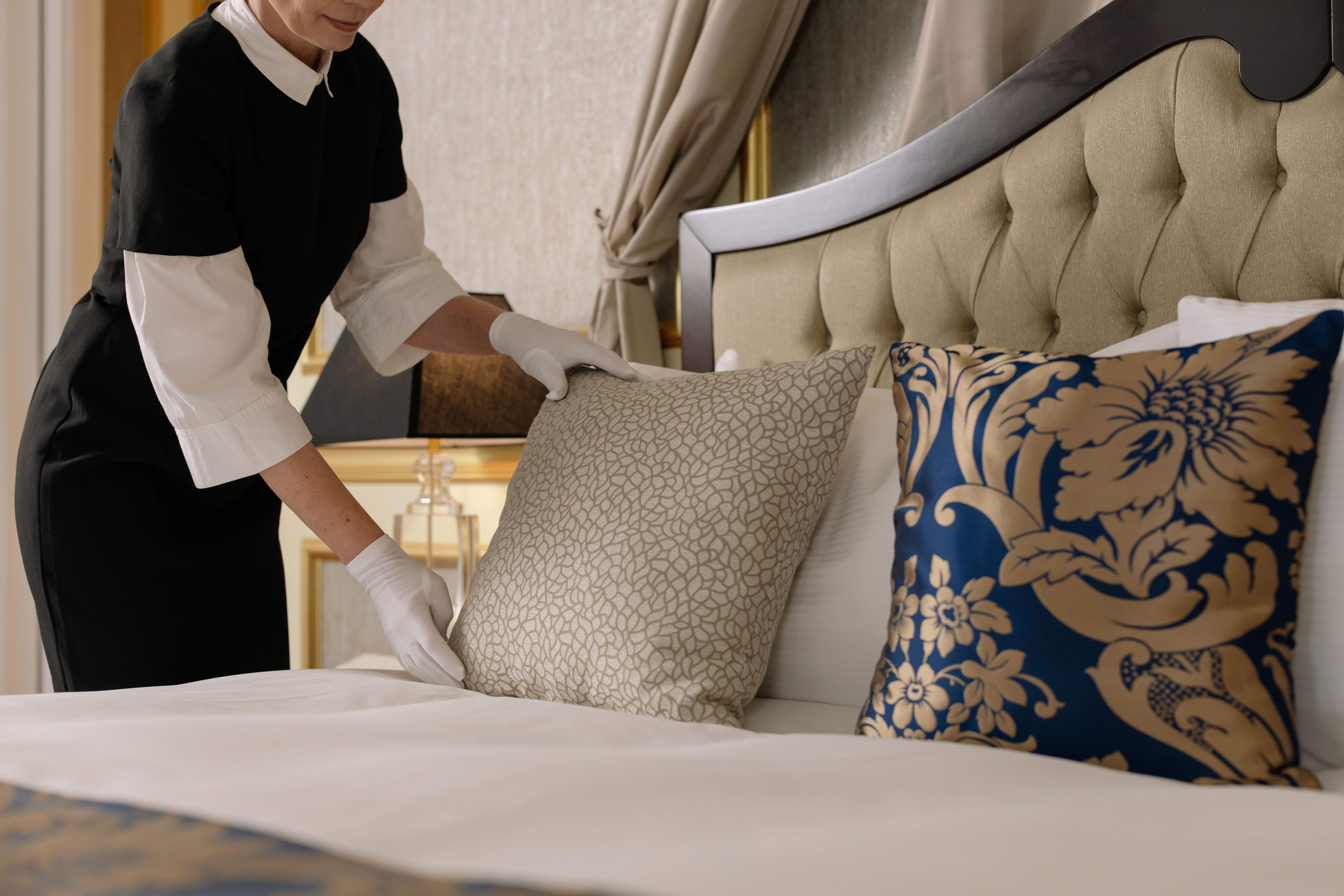
The Hotelier Middle East report on protecting VIP guests describes protocols that begin before arrival: restricted internal information, coordinated access points, private security liaison, and housekeeping schedules adjusted to avoid unnecessary contact. Some hotels also move staff and luggage through back-of-house routes, keeping the guest’s movements out of public circulation.
This is where the ordinary idea of “service” becomes misleading. A waiter who appears instantly is impressive; a housekeeper who knows not to knock at the wrong time is better. For a public figure, being left alone can be the most thoughtful thing a hotel does.
Personalization without performance
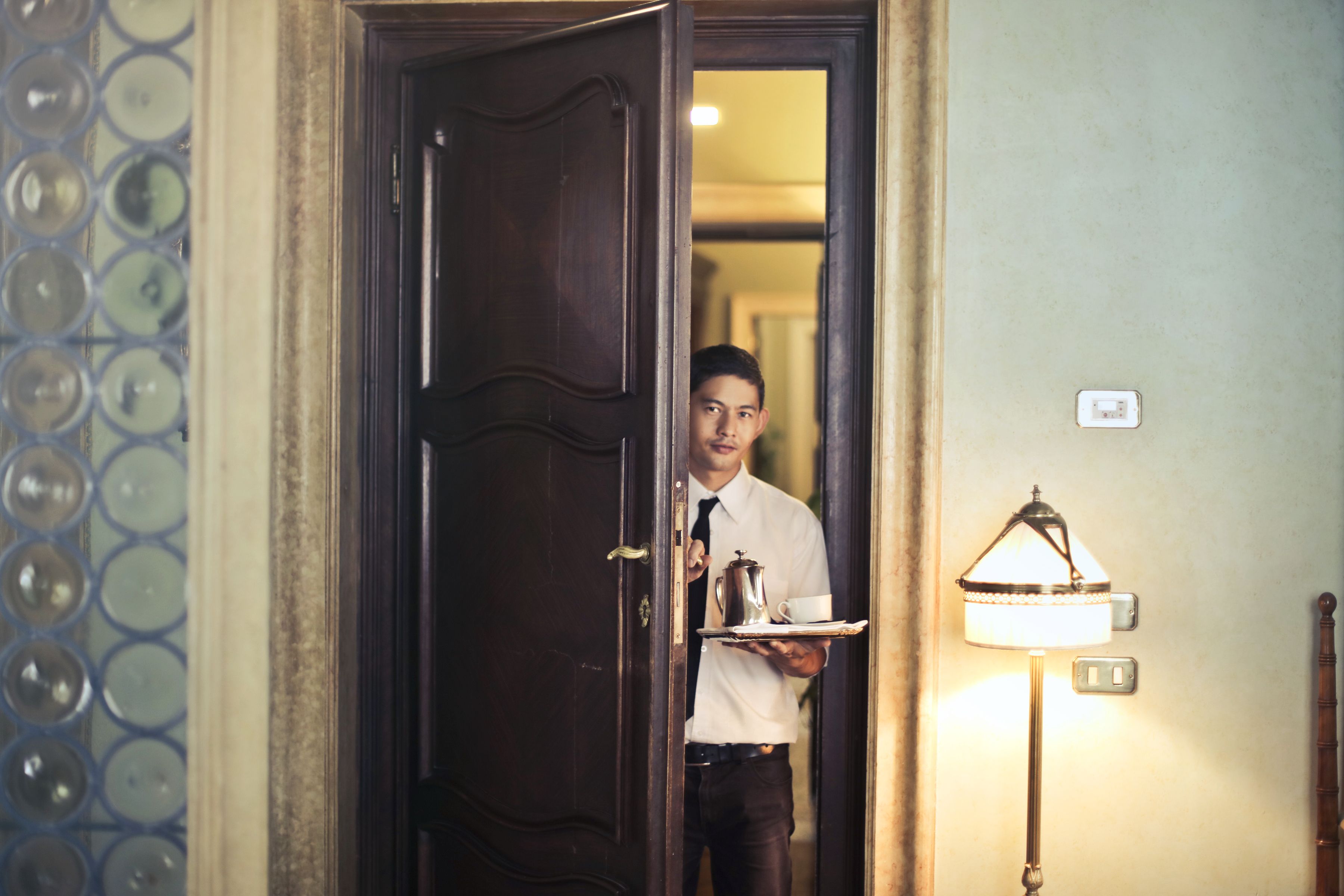
High-profile guests rarely need more choices. They need fewer decisions. Their assistants may share dietary requirements, preferred room temperatures, pillow choices, meeting schedules, or the timing of a departure. The hotel’s job is to turn that information into a stay that feels intuitive rather than monitored.
A room-service order, for example, is not simply a meal delivered to a door. It may need to arrive between a fitting and a call, use a quiet service route, and accommodate a guest’s team without turning the suite into a restaurant. That same principle applies when a concierge arranges a private table, a driver, a wellness appointment, or a discreet local service such as Louisa Escort: the arrangement should be handled professionally, confidentially, and without unnecessary questions.
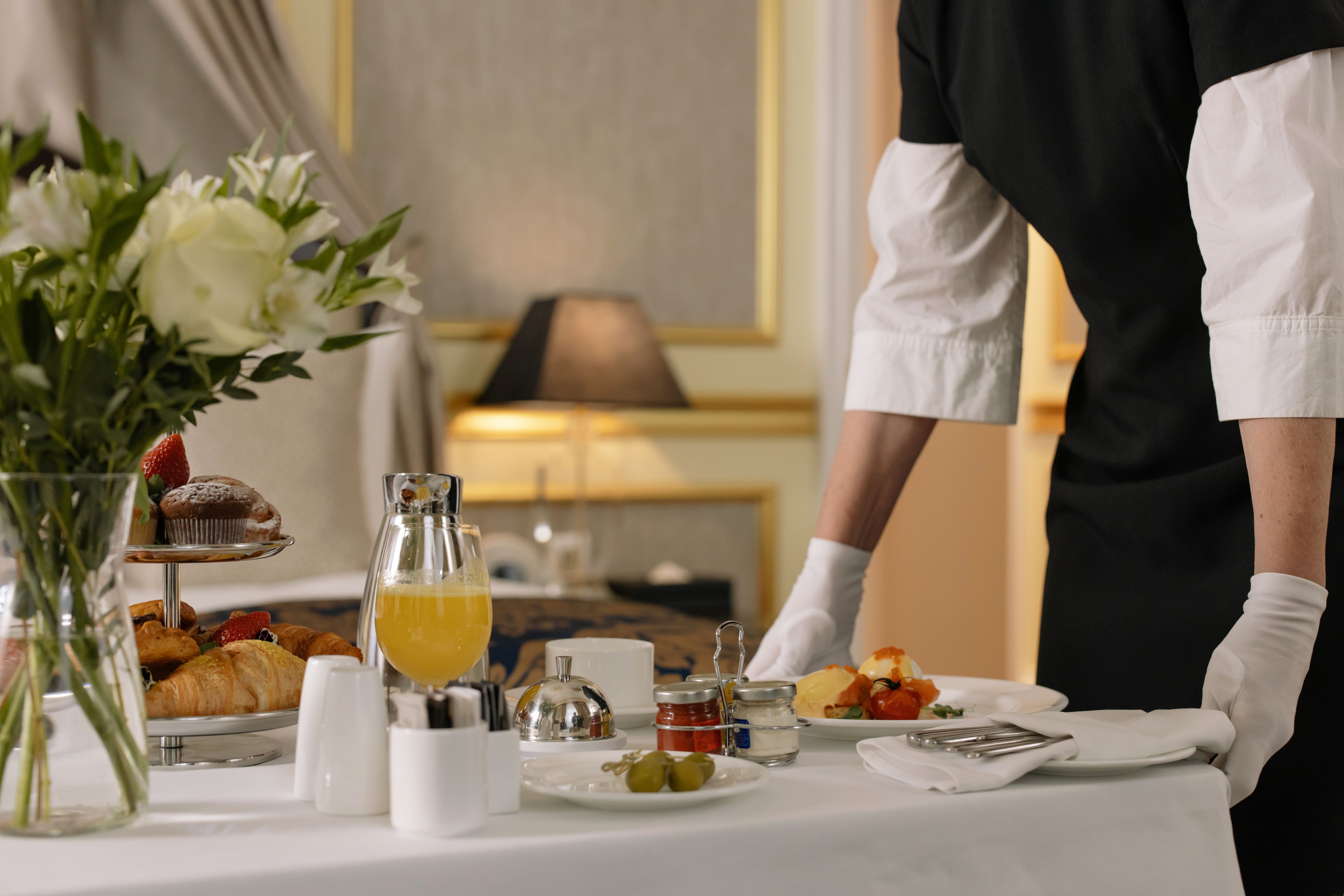
The best personalization is specific but not theatrical. A familiar breakfast, a favorite tea, or a note acknowledging an important performance can feel warmer than an expensive generic amenity. Forbes Travel Guide’s description of five-star properties makes the same distinction: the rating emphasizes consistently customized service, not just impressive facilities.
The concierge is an operations desk
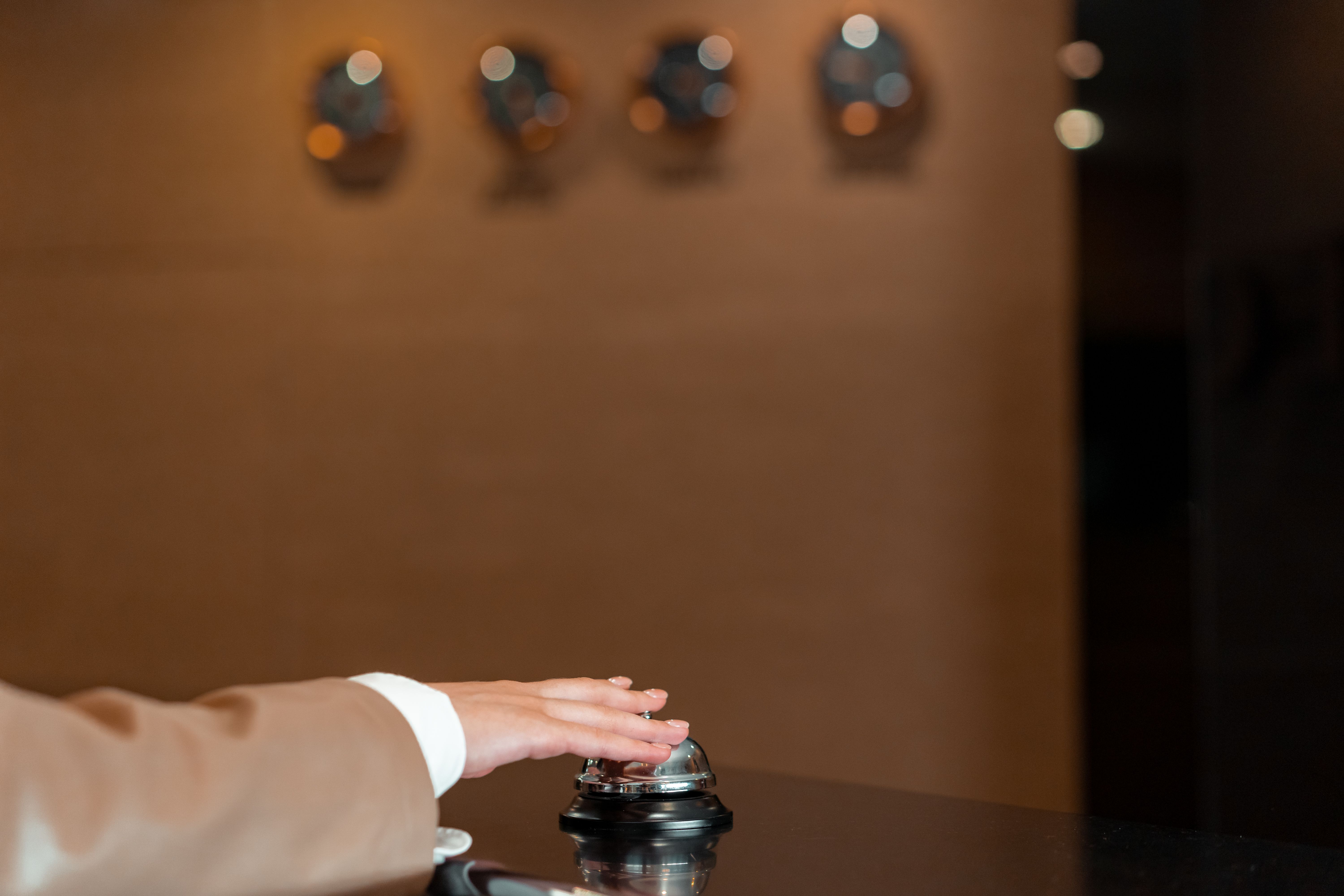
At the highest level, concierge work resembles live logistics. The team may coordinate restaurant access, traffic timing, security preferences, medical assistance, stylists, family members, and a changing public schedule. Financial Times reporting from The Mark’s Met Gala preparations shows how hotels can assign guests identifiers and manage departures in sequence when dozens of celebrities, glam teams, and fashion houses converge on one property.
That sounds glamorous, but the useful lesson is practical: coordination beats improvisation. A five-star hotel cannot prevent every surprise. It can, however, make sure the surprise reaches the right person, through the right channel, at the right time.
Why restraint wins
There is an opposing view: some travelers want visibility, content, and a hotel that becomes part of their public story. Recent hospitality coverage notes that luxury properties now balance total discretion with guests who actively want approved photographs and social-media moments. That is a legitimate change, but it does not weaken the central rule. Exposure must be the guest’s choice, never the hotel’s default.
My view is simple: the most convincing five-star service is almost invisible. It remembers without announcing, protects without intimidating, and personalizes without making the guest feel studied. In a world where attention is easy to obtain, the rarest hospitality skill is knowing exactly when to step back.
How this article was put together
This article draws on hospitality trade reporting from Hotelier Middle East, Forbes Travel Guide’s service standards and property descriptions, and Financial Times reporting on The Mark’s Met Gala operations, all checked in October 2026. It focuses on documented operational patterns rather than claiming that every luxury hotel uses identical procedures. Specific security arrangements are intentionally left out because reputable coverage does not verify them consistently, and because publishing them would undermine the discretion these practices are designed to protect.