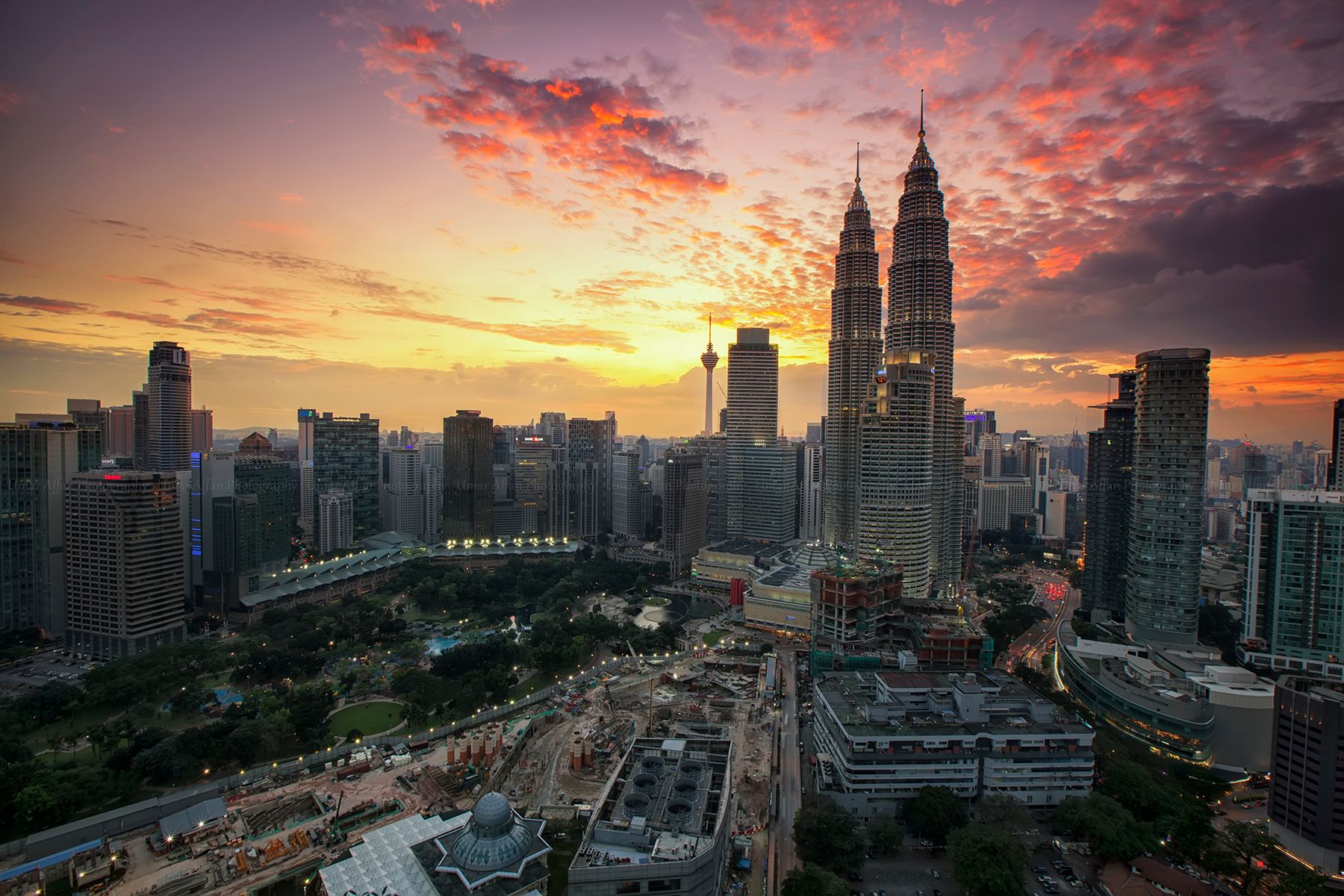
Malaysia is often described as a country of many identities layered on top of one another. A person in Kuching, Kota Kinabalu, Penang or Kuala Lumpur may describe themselves by ethnicity, by home state, by religion, by language, or by a mix of all four. Understanding how these identities fit together, and how the priorities attached to them have shifted over time, helps explain much of the country’s public life.
Table of Contents
- Population and Ethnic Composition
- How Regional Identity Takes Shape
- Shared Traditions and Everyday Culture
- Cities, Heritage and Local Pride
- Changing National Priorities
- Reading the Picture Clearly
Population and Ethnic Composition
Official statistics are the most reliable starting point. The Department of Statistics Malaysia (DOSM’s demographic statistics release) estimated the total population at about 34.4 million in the first quarter of 2026. Citizens made up roughly 90 per cent of that figure, and the agency’s annual media statement for 2026 described the main groups as follows:
- Malay is the largest group, at about 58.4 per cent of the citizen population.
- Other Bumiputera, which includes Sabah and Sarawak indigenous communities, accounts for about 12.3 per cent.
- Chinese residents make up about 22.0 per cent.
- Indian residents make up about 6.5 per cent.
- Others account for about 0.8 per cent.
These figures describe national averages. The mix looks very different from one state to another, and it changes slowly as birth rates, migration and urbanisation shift over time.
How Regional Identity Takes Shape
Regional identity in Malaysia is not a single idea. It is usually built from several overlapping elements, and people weigh them differently depending on where they live and what they are doing. Researchers who study the country often point to a few recurring factors:
- Ancestral home areas and the length of time a community has lived in one place
- Language, both heritage languages and the regional forms of Malay and English
- Religion and the festivals that structure the year
- Economic activity, such as agriculture, fishing, trade or public service
- Political and administrative boundaries, including the distinct status of Sabah and Sarawak
A 2014 study in Oceanic Linguistics examined 568 indigenous secondary school students in Sarawak. It found that the use of ethnic languages was most extensive among groups that were numerically larger and lived in their ancestral areas. However, students from different indigenous groups reported broadly similar positive attitudes toward their ethnic identity. The authors concluded that strong identity and frequent language use were not directly linked, which suggests that identity can persist even when language use declines.
This finding matters because it shows that regional identity is not simply a matter of one visible trait. It is a set of attachments that can be expressed in several ways, and some of them can weaken while others remain strong.
Many expressions of identity are practical and social rather than political. Games, clothing, food and music often carry meaning for families and communities, and they are passed down through daily life rather than formal instruction. Traditional attire and cultural games are common examples of how a community marks itself in public settings, from weddings and cultural festivals to school events.
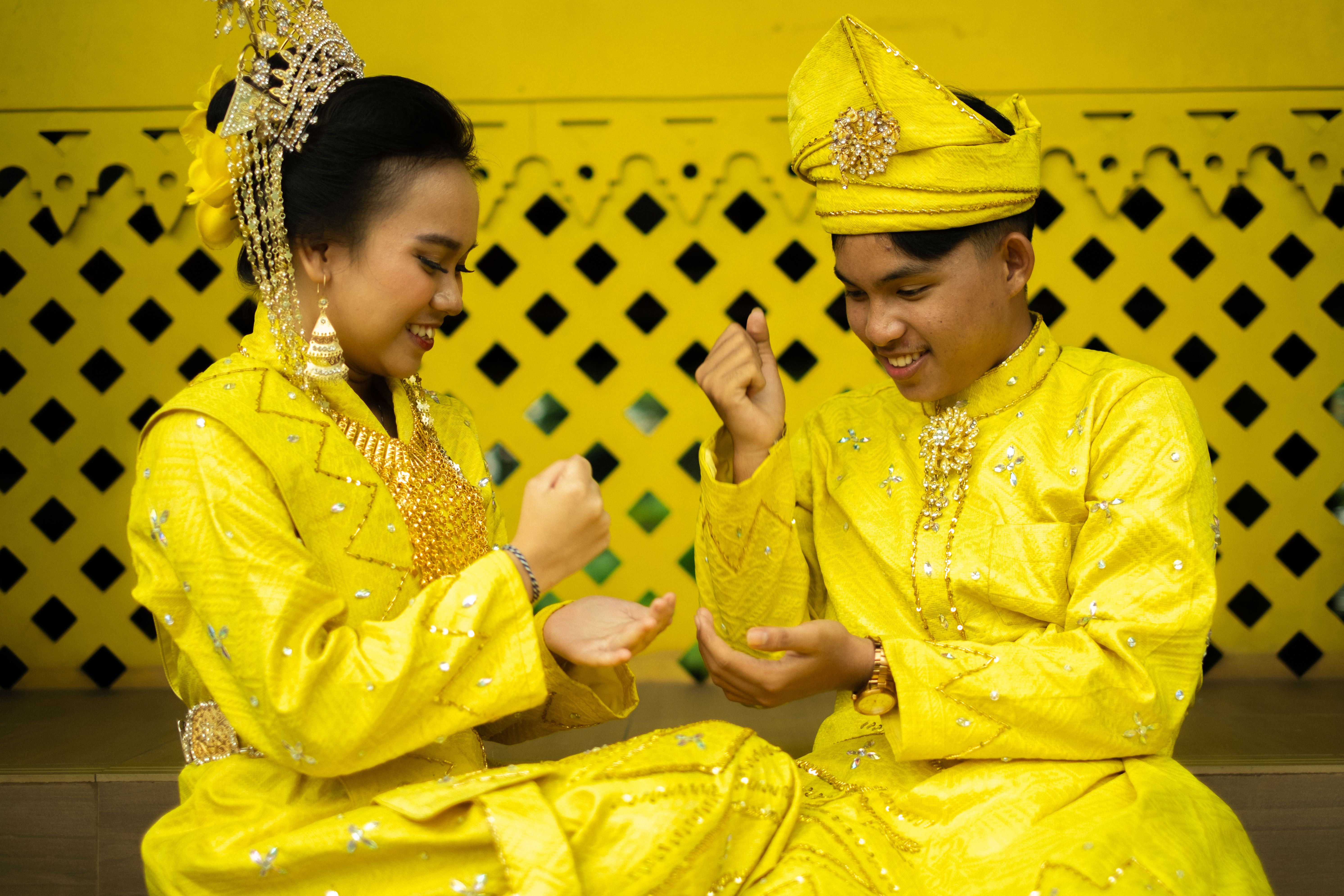
In Sabah and Sarawak, the picture is even more varied. Sarawak’s indigenous population, for instance, is made up of several distinct groups. According to DOSM’s 2026 statement, within Sarawak’s Bumiputera population the Iban form the largest share, followed by the Bidayuh, Melanau and other groups. Sabah’s indigenous population includes Kadazan-Dusun, Bajau and Murut communities, among others. Each group has its own languages, customs and sense of place, and many people hold a state identity and an ethnic identity at the same time.
Cities, Heritage and Local Pride
Urban heritage is another visible part of regional identity. Historic towns such as George Town in Penang show how colonial-era trade, migration and local communities shaped the built environment. Shophouses, street life and traditional transport still sit alongside newer development, and many residents see this mix as part of their city’s character.
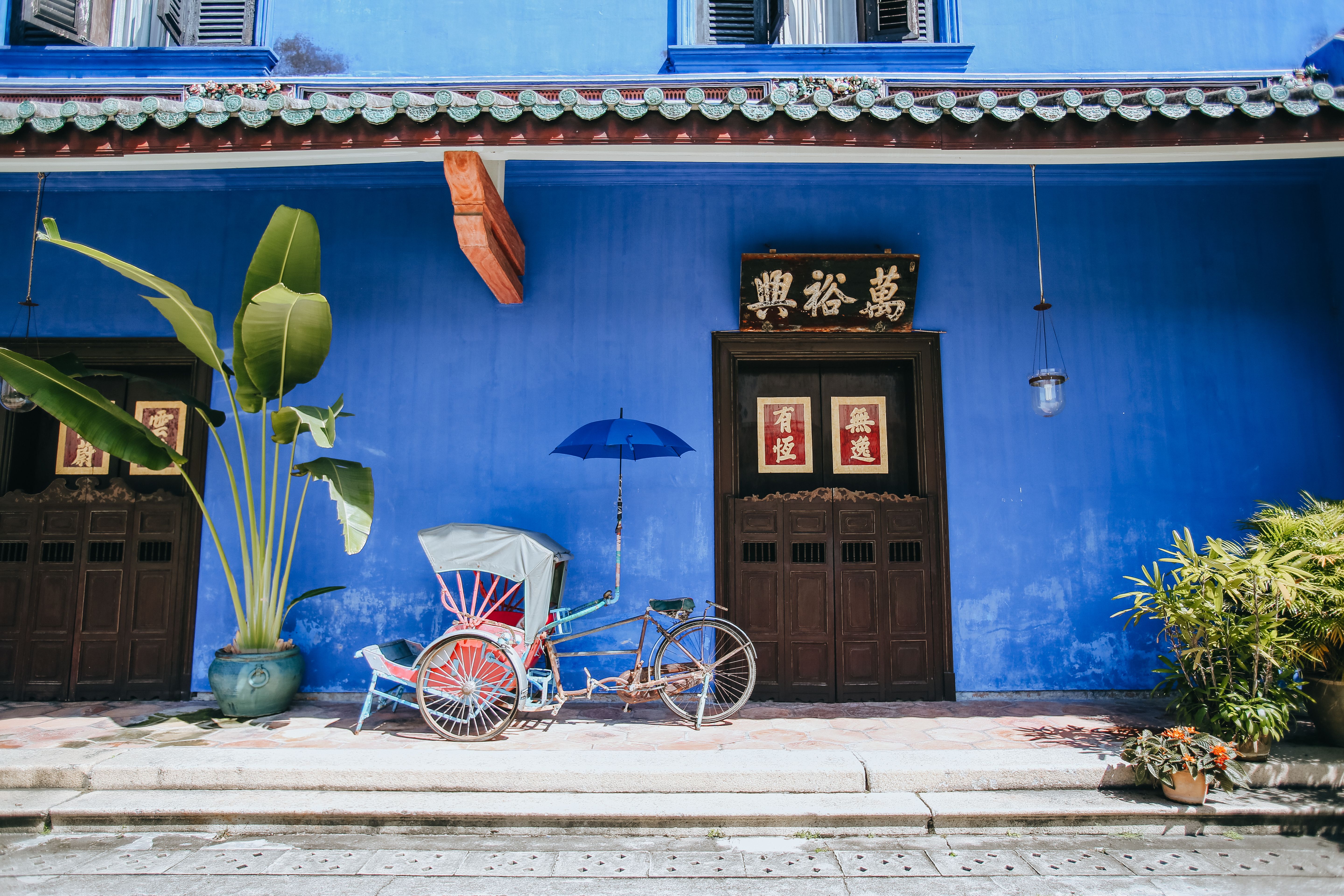
Heritage conservation is also an area where priorities can differ. Some residents focus on preserving older buildings and street patterns, while others emphasise housing supply, business space or modern infrastructure. Both views reflect a concern for the city’s future, and they often shape local planning debates.
Changing National Priorities
National priorities in Malaysia have shifted as the population has aged, cities have grown and the economy has diversified. Public discussion tends to focus on a recurring set of issues:
- Cost of living and household incomes
- Education quality and access to skills training
- Regional development gaps between the peninsula and East Malaysia
- Religious and cultural institutions and their role in public life
- Environmental protection, land use and infrastructure
Analysts who follow these debates often note that regional voters do not always rank issues in the same order. A rural constituency may prioritise roads, water and agriculture, while an urban constituency may focus on transport, housing and jobs. Readers who want a wider view of how such priorities are reported across the region can consult Southeast Asia news coverage, which tracks how state-level results are interpreted in relation to national policy.
Religious and cultural landmarks also play a part in how identity is expressed in public space. Federal administrative centres, mosques and civic buildings reflect both national symbolism and local design traditions.
Reading the Picture Clearly
Regional identity in Malaysia is best understood as layered and changing rather than fixed. Statistics show who lives where, research shows how people describe their attachments, and public debate shows which concerns are rising. Taken together, these sources give a more balanced view than any single headline or local anecdote.
For anyone studying or following the country, a useful habit is to check official data first, then read regional research, and only then weigh current commentary. Doing so makes it easier to separate long-term patterns from short-term events, and to see how identity and priorities continue to evolve side by side.