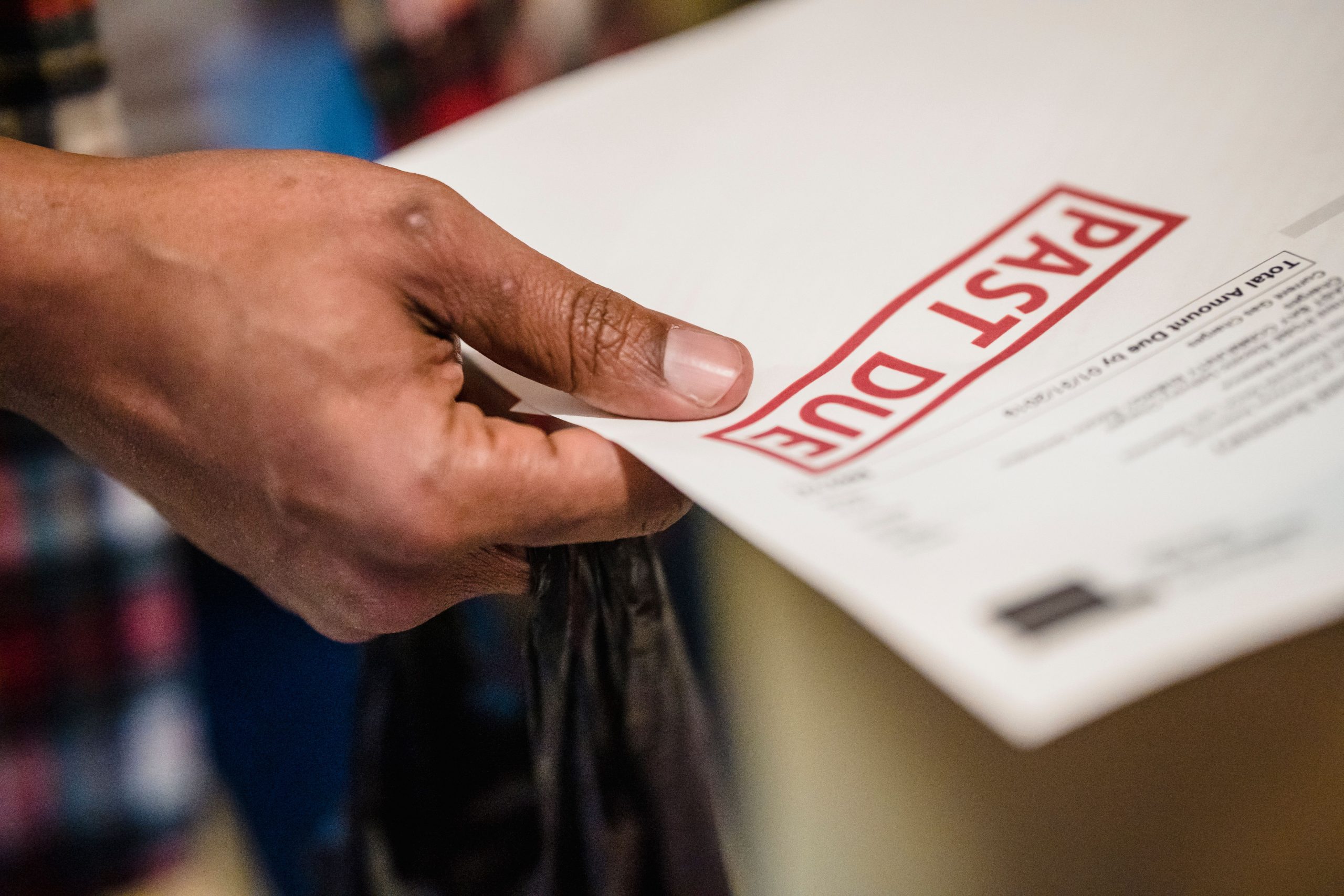
Business financing agreements, such as loans, lines of credit, and equipment financing contracts, set out the obligations of both the business that borrows money and the party that provides it. When one side does not meet those obligations, the agreement is said to be breached. The consequences depend on the wording of the contract, the type of financing, and the law that governs it. This guide explains how breaches are typically identified, what steps often follow, and where disputes are usually resolved.
Table of Contents
- What Counts as a Breach of a Financing Agreement
- Common Types of Breach
- Notice and Cure Periods
- Remedies Available to Lenders
- Acceleration, Collateral, and Guarantees
- Options for Borrowers and Other Parties
- Disputes and Litigation
- Practical Steps to Reduce Risk
- Final Thoughts on Managing a Financing Breach
What Counts as a Breach of a Financing Agreement
A breach occurs when a party fails to perform a duty that the agreement actually imposes. In financing contracts, those duties commonly include making scheduled payments, keeping required insurance in place, providing financial statements, and avoiding unapproved debt or asset transfers. Whether a particular event qualifies as a breach depends on how the contract defines it.
Financing arrangements vary widely. Common examples include:
- Term loans repaid over a fixed schedule
- Revolving lines of credit with periodic draws and repayments
- Equipment financing secured by the machinery being purchased
- Invoice financing secured by receivables
- Government-guaranteed loans, such as those made under Small Business Administration programs
- Specialized arrangements, including litigation funding contracts
Specialized arrangements also carry their own terms. For example, the legal analysis of disputes involving litigation funding contracts often turns on the specific wording of the agreement and the jurisdiction whose law applies.

Common Types of Breach
Legal and banking analyses generally sort loan defaults into a few broad categories. The American Bar Association describes monetary defaults and nonmonetary defaults as separate groups, and the distinction matters because the two often lead to different responses.
- Payment defaults: a missed principal or interest payment, or a failure to pay required taxes or insurance premiums
- Performance defaults: failure to meet financial covenants, restrictions on additional debt, or reporting requirements
- Representation defaults: statements made when the financing was arranged that later prove to be inaccurate
- Collateral defaults: unauthorized sale, transfer, or loss of pledged assets
Borrowers are not the only parties who can breach a financing agreement. Lenders may also be found to have failed to honor obligations such as funding an approved advance, releasing collateral after agreed conditions are met, or applying payments as the contract requires.
Notice and Cure Periods
Many financing agreements do not treat a breach as an immediate trigger for enforcement. Instead, they often require the lender to send a written notice of default and allow the borrower a set period to fix the problem. This period is commonly called a cure period.
Whether notice and a cure period are required depends on the document. As the ABA’s Business Law Today has noted in its discussion of strategies for resolving defaults under commercial loans, lenders should review the loan documents to determine whether a default is effectively automatic or instead requires notice and an opportunity to cure. Some defaults can be cured by bringing payments current, while others, such as an unauthorized transfer of collateral, may not be curable at all.
- Check whether the agreement defines the event as a default and whether notice is required.
- Note the length of any cure period and how it is counted.
- Keep written records of all payments, notices, and communications.

Remedies Available to Lenders
When a breach is not resolved, lenders typically have a range of contractual and legal remedies. The available options depend on the agreement, the type of default, and the applicable law. The table below gives a general overview of how breach categories are often approached. It is not a substitute for reviewing a specific contract.
Common lender remedies can include refusing future advances on a line of credit, charging default interest where the contract allows it, demanding repayment, and pursuing payment from guarantors. Where the loan is secured, the lender may also be able to enforce its security interest under the applicable commercial code.
Acceleration, Collateral, and Guarantees
Acceleration is a contractual mechanism that makes the full outstanding balance due immediately rather than over the remaining schedule. Many agreements allow acceleration after a qualifying event of default, usually following notice. The accelerated amount may include principal, accrued interest, and certain costs that the contract allows the lender to recover.
Secured financing adds another layer. Collateral such as equipment, inventory, or receivables may be sold or otherwise applied toward the debt, subject to notice requirements and the rules that govern the sale. Personal guarantees may also allow a lender to seek payment from a guarantor, although the scope of a guarantee is set by its own wording.
- Acceleration generally depends on the contract and on whether the default was properly declared.
- Collateral enforcement usually follows procedures set out in the security documents and commercial law.
- Guarantee obligations depend on the guarantor’s signed commitment and any applicable limits.

Options for Borrowers and Other Parties
A business facing a possible breach often has more options than it first expects. Common approaches include:
- Curing the default by paying overdue amounts or delivering missing documents within the cure period
- Requesting a waiver of a specific, past default, ideally in writing
- Negotiating a forbearance agreement, in which the lender agrees not to exercise remedies for a defined period while conditions are met
- Restructuring the loan, such as extending the term or modifying payment amounts
- Documenting a workout plan that sets clear milestones and deadlines
Written agreements are generally preferred for these steps, because oral assurances can be difficult to prove later. Any change should be reviewed against the original contract to confirm which terms remain in force.
Disputes and Litigation
When the parties disagree about whether a breach occurred, or about the amount owed, the dispute may be resolved through negotiation, mediation, arbitration, or court proceedings. Many agreements specify a dispute resolution method and a governing law, which can shape the process considerably.
In a breach of contract claim, a party generally needs to show that a valid agreement existed, that the other side failed to perform a duty it owed, and that the failure caused measurable loss. Courts often look closely at the exact contract language, the timing of notices, and whether the claimed breach is material. Outcomes depend heavily on the facts and the jurisdiction, so general descriptions like this one cannot predict how a specific dispute would be decided.
For loans backed by federal programs, the rules can add another layer. Servicing and liquidation of Small Business Administration loans, for example, are governed by federal regulation. The federal servicing, liquidation, and debt collection standards for SBA 7(a) and 504 loans set out expectations for how lenders must handle defaulted loans, including when litigation plans require approval.

Practical Steps to Reduce Risk
Preparation before a problem arises can make a breach easier to manage. Businesses commonly consider the following steps:
- Map out every payment date, reporting deadline, and covenant before signing
- Set internal alerts for upcoming obligations and cure deadlines
- Communicate early with the lender if cash flow changes, since early conversations often leave more room for options
- Keep all notices, waivers, and amendments in writing and filed with the contract
- Seek qualified legal and financial advice when a default notice is received
For general background on how business credit and lending terms are structured, the U.S. Small Business Administration provides information on loan programs and small business financing.
Final Thoughts on Managing a Financing Breach
A breach of a business financing agreement does not follow a single script. The outcome usually depends on the type of default, whether notice and cure rights apply, the collateral and guarantees involved, and the governing law. Businesses that understand their obligations, respond promptly to notices, and document every agreed change are generally better positioned to reach a workable resolution, whether that means curing the default, restructuring the debt, or resolving a dispute through the forum the contract specifies.