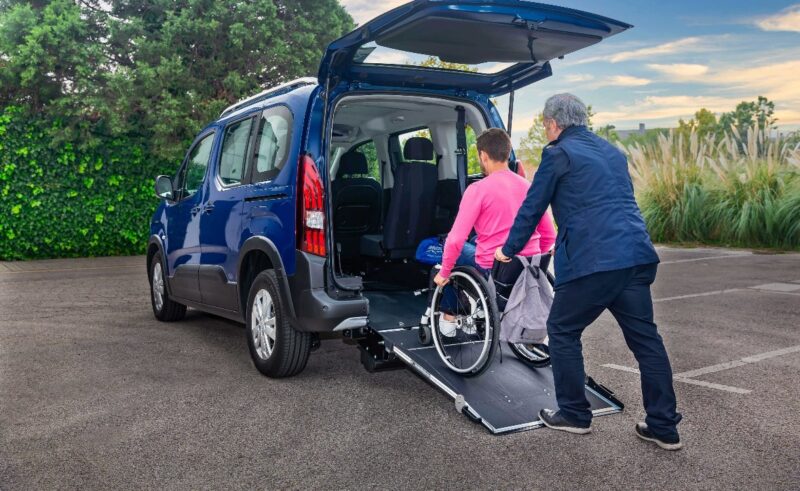
Booking transport for someone with limited mobility requires more planning than arranging a standard journey. The passenger may need a wheelchair-accessible vehicle, additional boarding time, help with mobility equipment, or a pickup point that can be reached safely.
A reliable service should provide clear booking information, suitable vehicles, trained drivers, and realistic arrival times. Confirming the passenger’s requirements in advance can make the journey safer, more comfortable, and less stressful for everyone involved.
Identify the Passenger’s Transport Requirements

Start by understanding exactly what support the passenger needs. Limited mobility can affect people differently, so avoid assuming that every passenger requires the same vehicle or level of assistance.
Confirm whether the person can transfer from a wheelchair into a standard seat or needs to remain in the wheelchair during the journey. If a wheelchair-accessible vehicle is necessary, provide the type and approximate size of the mobility device when booking.
The passenger may also travel with a walking frame, folding wheelchair, service animal, carer, or medical equipment. These details help the provider determine how much space is required and whether a specialised vehicle should be assigned.
Consider the pickup and destination as well. Steps, steep driveways, narrow entrances, and busy roads can make boarding difficult. Where possible, select a level, well-lit location with enough space for the vehicle to stop safely.
Choose and Book a Suitable Transport Provider

Look for a provider that can clearly explain its accessibility options, booking process, service area, and expected charges. Ask whether accessible vehicles must be reserved in advance and how much notice is recommended for important journeys.
Instead of searching online for something like “booking taxi”, just simply visit www.blackandwhitecabs.com.au for a safe and reputable option. Before confirming the ride, check that the service can accommodate the passenger’s specific mobility and boarding needs.
Provide the complete pickup address, destination, travel date, desired collection time, number of passengers, and a contact phone number. For medical appointments, allow additional time for traffic, vehicle loading, building access, and registration after arrival.
Ask for a booking confirmation and review every detail carefully. The confirmation should show the correct date, time, pickup location, destination, and vehicle request. Contact the provider immediately if any information is missing or incorrect.
Prepare for a Safe and Comfortable Journey

On the day of travel, make sure the passenger is ready before the arranged pickup time. Mobility equipment, appointment documents, medication, personal belongings, and payment items should be prepared in advance.
Keep access to the pickup area clear and ensure that the driver has enough room to park. If the passenger needs extra time to board, this should already be included in the booking notes. Never rush a transfer simply to meet a tight schedule.
A family member or carer should accompany the passenger when appropriate. If the person is travelling alone, confirm what assistance the driver can provide. Drivers may help with normal boarding and equipment handling, but they may not be authorised to offer personal or medical care.
For recurring trips, record the usual travel time, preferred pickup point, and vehicle requirements. Regular bookings for therapy, work, shopping, or medical care can be easier to manage when the provider has consistent and accurate instructions.
Conclusion
Reliable transport for someone with limited mobility begins with clear information and careful preparation. Identifying accessibility requirements, selecting an appropriate provider, and confirming the booking can prevent delays and unsuitable vehicle assignments.
Allowing extra time and communicating the passenger’s needs helps create a safer experience. With the right vehicle and a properly organised pickup, passengers with limited mobility can travel with greater comfort, confidence, and independence.