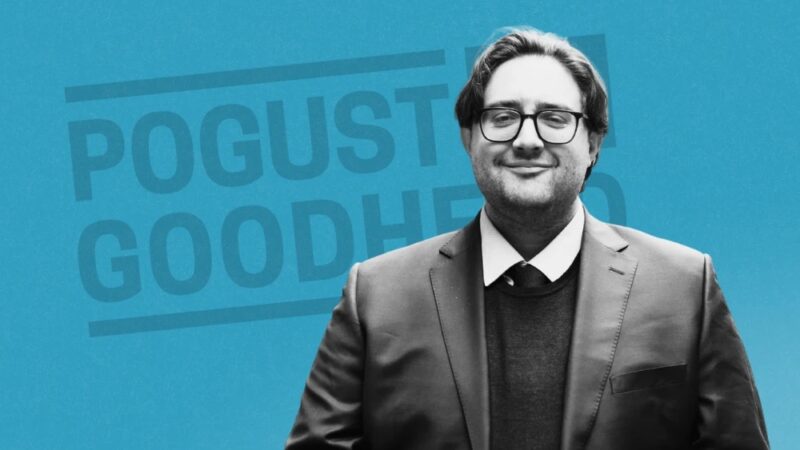
Pogust Goodhead spent years building a reputation as one of Britain’s most ambitious class-action law firms, taking on corporate giants like BHP and Volkswagen on behalf of hundreds of thousands of claimants and securing some of the largest litigation funding deals ever recorded.
Last summer, that reputation was overshadowed by an internal power struggle that saw its own co-founder pushed out of the business he helped build, sending shockwaves through the billion pound cases the firm was still fighting.
A Boardroom Revolt Against Its Own Founder

Founded in 2018 by Tom Goodhead and Harris Pogust, the firm grew rapidly after securing a landmark 552.5 million dollar financing deal from US hedge fund Gramercy in 2023. As mounting concerns about Pogust Goodhead’s financial backing surfaced within the firm, its board moved to remove Goodhead as chief executive, in what he later described as a boardroom coup rather than a routine leadership change.
The removal followed months of reported tension between Goodhead and Gramercy over how the firm’s finances were being managed, tension that ultimately triggered his sudden exit from the company he co-founded.
Goodhead has since said he was owed 2.7 million pounds for money he personally injected to help cover staff payroll shortly before his departure, a claim that has reportedly been corroborated by the firm.
The Allegations That Triggered the Uprising
An internal investigation led by law firm DLA Piper reportedly found evidence of excessive and uncontrolled spending during Goodhead’s tenure. Insiders described frequent private jet and helicopter travel, business-class flights, luxury hotel stays, and staff yacht parties.
Combined travel and hospitality costs are said to have exceeded five million pounds between 2023 and 2024. The report also pointed to a 4.2 million pound director’s loan to Goodhead that was later written off, along with possible breaches of the firm’s funding agreements with Gramercy and an earlier backer, NorthWall Capital.
A Firm Reshaped From the Top Down
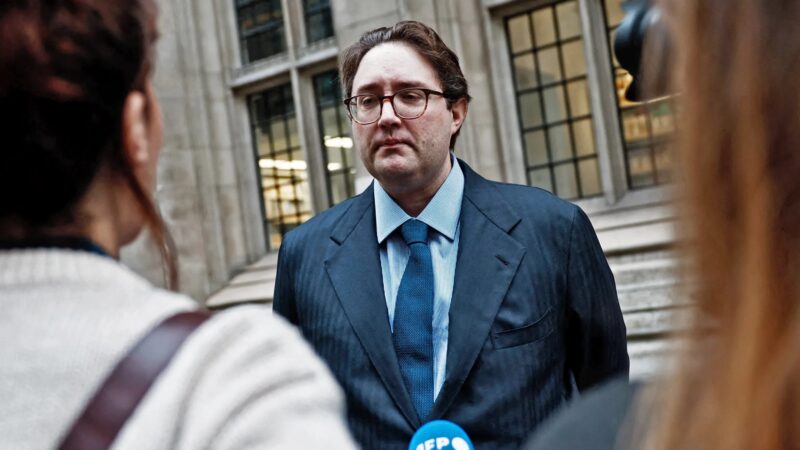
In the aftermath, Pogust Goodhead’s ownership structure changed dramatically. Restructuring consultant Huw Dolphin reportedly took on majority voting control of the firm, while former chief operating officer Alicia Alinia stepped in as interim chief executive.
The reshuffle came against a backdrop of serious financial strain, with overdue accounts reportedly showing a 2022 pre-tax loss of close to 292 million pounds and total debts climbing to 97.5 million pounds by 2023, prompting auditors to flag material uncertainty over the firm’s ability to continue as a going concern.
Conclusion
Goodhead has firmly denied any wrongdoing, insisting the firm was financed through commercial loans rather than client money and maintaining that his removal was driven by a power struggle rather than genuine governance concerns.
Pogust Goodhead’s new leadership says the firm has since strengthened its financial controls and remains focused on its flagship cases, including its billion pound claim against BHP. Even so, the revolt that removed its founder has left lasting questions about who is really steering one of Britain’s biggest litigation firms, and how much of its future direction now rests with its financial backers rather than the lawyers who built it.