Liner systems are widely used in commercial and industrial projects to protect against leaks, contamination, and environmental damage. Their performance directly affects operational safety, regulatory compliance, and long term project costs. However, even high quality materials can fail if installation errors or hidden defects are not identified early. This is why Construction Quality Assurance and leak detection services are critical components of successful containment projects. Together, they help ensure liners remain reliable, durable, and effective throughout their operational lifespan.
The Importance of Quality Control During Installation
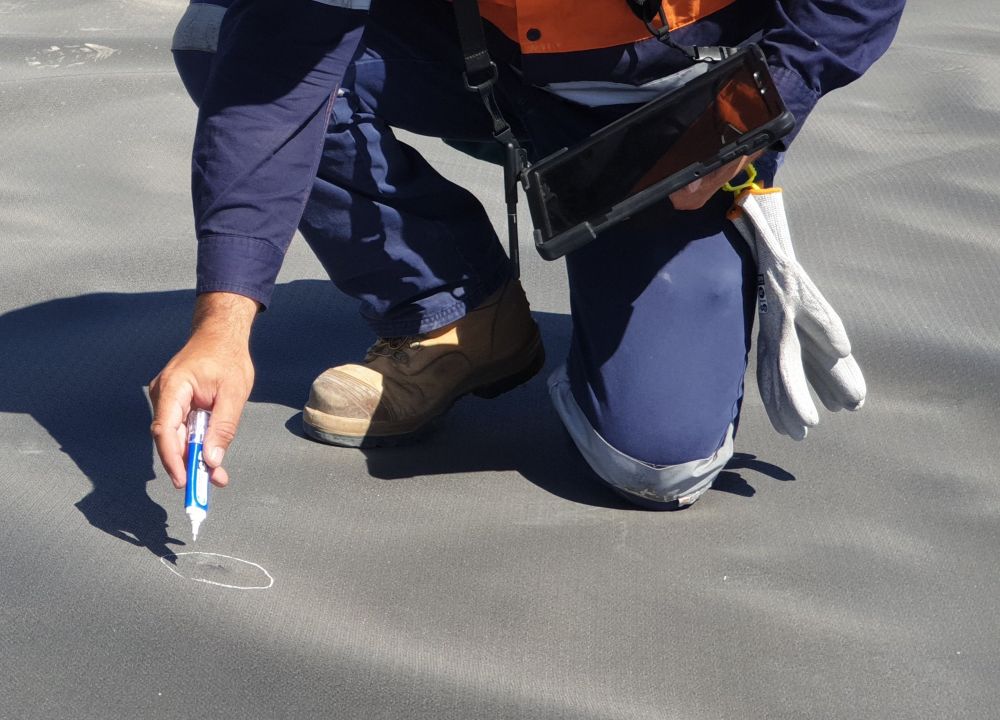
Every containment project depends on proper installation practices to achieve maximum performance. Small installation mistakes such as weak seams, punctures, or uneven surfaces can eventually develop into serious failures. Because CQA is essential for commercial projects, independent inspections and testing procedures are used to verify that liner systems meet all required specifications before they become operational.
Construction Quality Assurance teams monitor each phase of the installation process, from material handling to seam welding and final testing. Their role is to identify potential weaknesses before the system is exposed to environmental stress or heavy usage. Early corrections reduce the likelihood of costly repairs and prevent operational disruptions later.
Accurate documentation is another important benefit of CQA services. Detailed reports provide project owners with confirmation that installation standards were followed correctly. This documentation also supports future maintenance planning and regulatory compliance requirements.
How Leak Detection Prevents Major System Failures

Even with strict quality control procedures, some defects may remain hidden beneath the surface. Leak detection technologies provide an additional layer of protection by identifying small breaches that may not be visible during standard inspections. Detecting these issues early helps prevent contamination, structural damage, and expensive downtime.
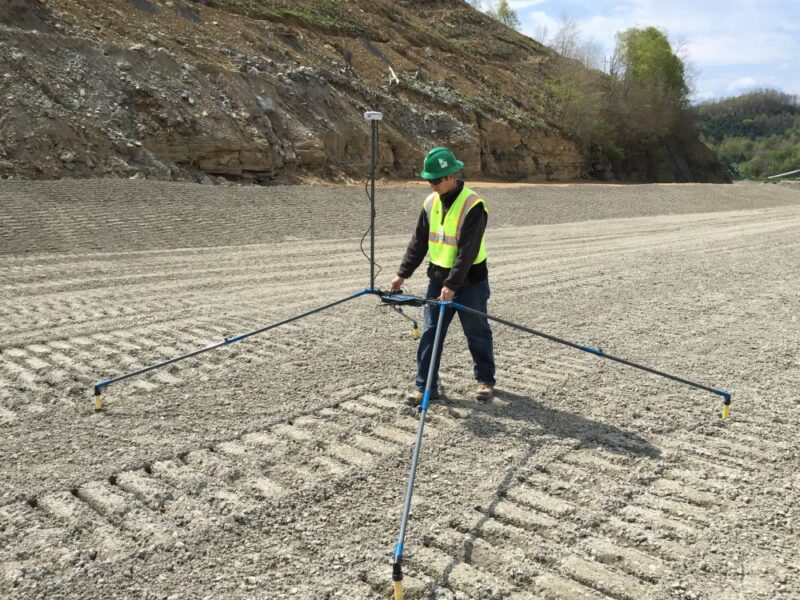
Modern leak detection methods use advanced testing equipment to locate punctures, seam failures, and other weaknesses with high precision. Once identified, technicians can repair damaged areas before leaks spread or compromise the entire containment system. This proactive approach greatly improves long term reliability and reduces environmental risks.
Leak detection is especially important in industries where containment systems are exposed to chemicals, waste materials, or fluctuating environmental conditions. Continuous monitoring helps facilities maintain safe operations while minimizing the possibility of regulatory violations or environmental penalties.
Supporting Long Term Durability and Cost Efficiency

Properly installed and tested liner systems generally last much longer than systems that receive minimal oversight. Combining CQA with professional leak detection helps maintain structural integrity and improves resistance to wear, pressure, and environmental exposure over time.
Long-term durability also leads to significant financial benefits. Preventive inspections and early repairs are far less expensive than replacing large sections of damaged liners or dealing with contamination cleanup costs. Businesses that prioritize quality assurance often experience fewer interruptions, lower maintenance expenses, and greater operational efficiency.
In addition, reliable containment systems support sustainability goals by reducing waste and minimizing environmental impact. Commercial facilities increasingly recognize the value of investing in preventive quality control measures that extend asset lifespan while improving overall project performance.
Conclusion
CQA and leak detection services play a vital role in protecting the long-term performance of liner systems in commercial projects. Through careful inspections, advanced testing, and early problem identification, these services help reduce operational risks and prevent costly failures.
Companies that invest in professional quality assurance benefit from improved durability, stronger environmental protection, and lower long term expenses. By combining proper installation oversight with ongoing leak detection, containment systems can continue operating safely and efficiently for many years.