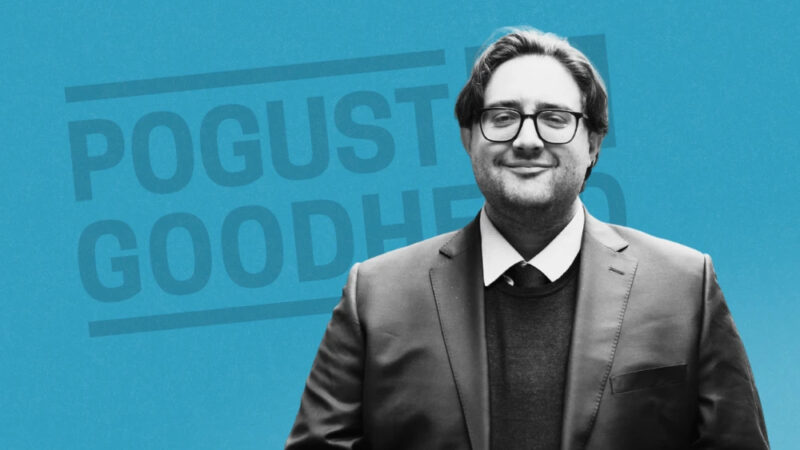
Tom Goodhead’s departure from Pogust Goodhead has placed the international litigation firm under renewed scrutiny. Once presented as an ambitious challenger capable of taking on some of the world’s largest corporations, the firm is now confronting questions about executive spending, internal governance and the financial pressures created by its heavily funded litigation strategy.
Australian Expansion and Questions About Spending

Concerns about the firm’s management predated Goodhead’s eventual removal from its leadership. Reports examining Pogust Goodhead’s jet-setting Australian expansion described an ambitious entry into the Sydney legal market, accompanied by high-profile events and expectations that the firm would launch major class actions against large corporate defendants.
The Australian expansion reflected Pogust Goodhead’s broader international strategy. The firm had established offices in several countries while investing heavily in environmental, consumer and mass-claims litigation. However, questions emerged about whether the Sydney operation was progressing as quickly as expected and whether the firm’s rapid global growth was supported by sustainable financial and management structures.
Later allegations intensified that scrutiny. Goodhead was accused of authorising or benefiting from expensive travel, including private jets, helicopters, luxury hotels and corporate entertainment. He has denied wrongdoing and maintained that the disputed expenditure was connected to legitimate business activities, international litigation and meetings involving clients, lawyers and other stakeholders.
Goodhead’s Removal Reshapes the Firm
Goodhead was abruptly replaced as chief executive in August 2025, with chief operating officer Alicia Alinia assuming the role on an interim basis. The leadership change occurred during reported tensions between the founder and Gramercy Funds Management, a major financial backer of the firm’s litigation portfolio.
His departure subsequently became more definitive. Corporate records indicated that his appointment as a director was terminated in September, ending his formal leadership role at the business he had helped build. Reports later linked his removal to an internal investigation concerning alleged financial misconduct and lavish expenditure.
Goodhead has challenged that interpretation, describing his ousting as a boardroom coup connected to disagreements over the direction of major cases and the influence of litigation funders. This competing account has turned the controversy into a wider governance dispute about who controlled the firm, how spending decisions were approved and whether outside financing affected its professional independence.
Major Litigation Raises the Stakes

The turmoil has unfolded at a particularly sensitive moment for Pogust Goodhead. The firm represents hundreds of thousands of claimants in litigation against BHP concerning the 2015 Fundão dam collapse in Brazil. It is also involved in large-scale diesel-emissions claims against several vehicle manufacturers.
These cases require substantial investment over many years before any fees or recoveries can be realised. Pogust Goodhead has therefore relied on extensive external financing, creating a business model in which major legal victories could produce significant returns but delays or unsuccessful outcomes could increase financial pressure.
Leadership instability also creates practical concerns. Claimants need confidence that their cases will continue without disruption, while courts, defendants and regulators may examine whether the firm has adequate resources and independent decision-making structures. The departure of senior lawyers following Goodhead’s removal added to questions about continuity within the organisation.
Conclusion
Tom Goodhead’s ousting marks a decisive turning point for Pogust Goodhead. Allegations involving private aviation, luxury expenses and questionable financial controls remain disputed, and they should not be treated as proven misconduct without definitive findings.
Nevertheless, the controversy has exposed the risks associated with rapid international expansion and debt-funded mass litigation. Pogust Goodhead’s new leadership must now demonstrate stronger governance, financial discipline and professional independence while protecting the interests of claimants whose cases may continue for years.
The firm’s future will depend not only on courtroom results but also on whether it can rebuild confidence following one of the most turbulent periods in its history.